
Could calorie tracking give me structure without forcing me into a rigid plan?
Do you have a scale?
I didn’t have a scale for almost 4 years, and that worked pretty well. I weighed myself about once a year when I visited my dad in Germany. And my weight stayed more or less constant.
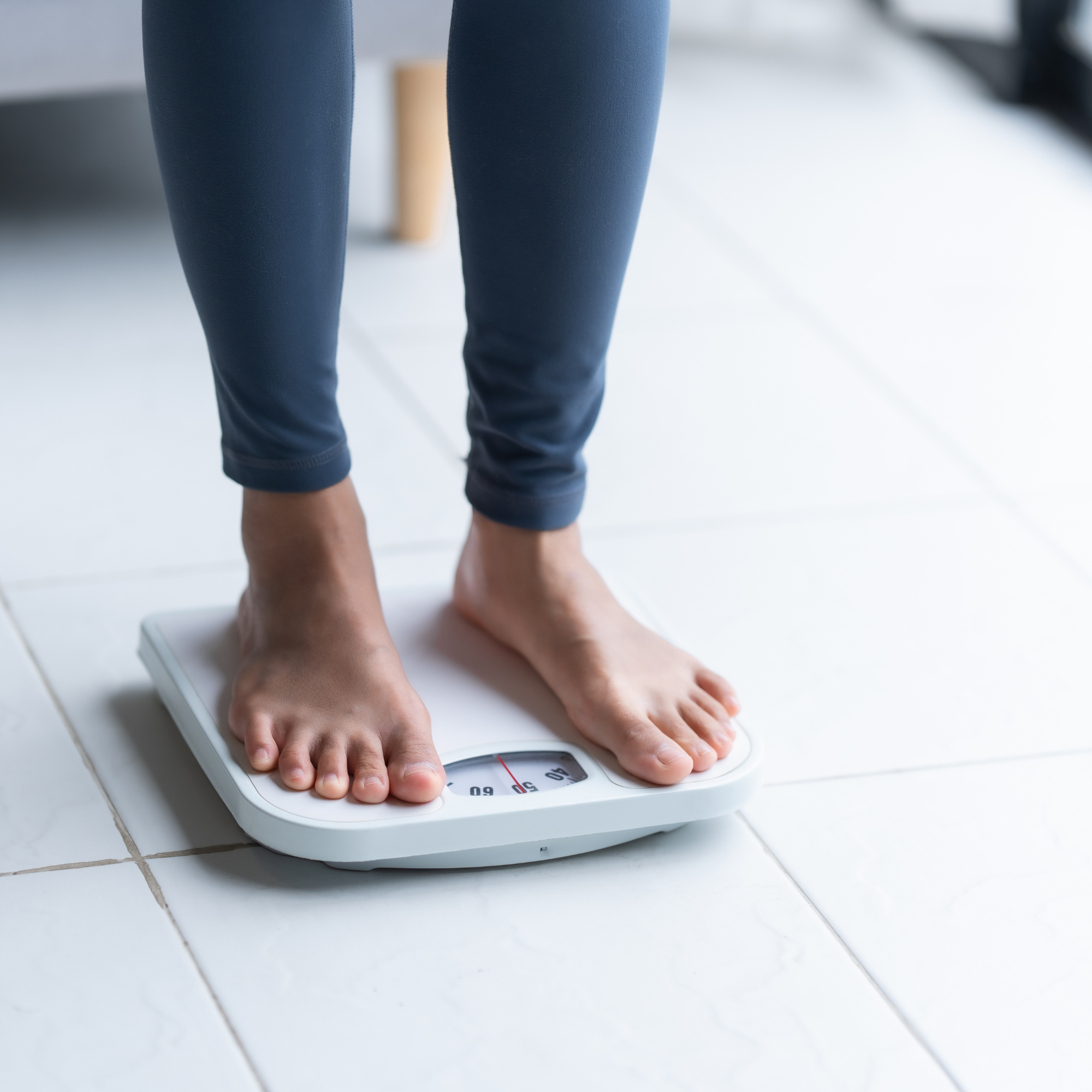
Well, it worked, until it didn’t. We bought a scale a few weeks ago. And when I stepped on it, I was shocked! To be honest - not completely. I mean clothes don’t lie either. But 10 lbs more was a lot! Pretty much the same thing happened to my husband (and my Dachshund, but that’s another story!).
So now the question was: What was I going to do? I knew that constantly feeling hungry was not an option. Downloading some diet plan and following it wouldn’t work either. Planning dinners in our family is already complicated. My older son doesn’t like one thing, and my younger son wants to eat something completely different. Cooking only for myself or expecting the rest of the family to follow my meal plan wouldn’t work either. So, what to do?
And I have never in my life counted calories. I always thought it was completely pointless. So I had very little idea of how calorie-dense certain foods are. Yes, of course, I knew that fat has about twice as many calories per gram as protein or carbs. But other than that I knew very little. And with the protein hype, I think I ate a bit too much cheese. Yes, it contains protein, but also a lot of fat!
So I needed something that was flexible, that would fit into my life.
Through some YouTube channels I regularly watch, I heard about calorie tracking apps. So I downloaded a few different apps. Some relied mainly on pictures and AI, while others required you to log everything you ate. I decided on MacroFactor, because you can do both, log your food manually or take a picture and let AI analyze it. Not sponsored, by the way - I pay for it myself.
To be honest, I was overwhelmed in the beginning. There are just so many options for the tracking. And since the app doesn’t know your favorite foods yet, logging your food takes time in the beginning. For example, my breakfast consists of about 8 different foods. But once you get started and it remembers your regular foods, it doesn’t take long to log. And there is an AI feature. You take a picture of what you’re eating, and AI analyzes it. For the normal foods I eat at home, I log them manually. I use the AI feature mostly when eating out, it’s just easier. So once you get used to it, it’s pretty simple.
So why does this work for me?
Awareness
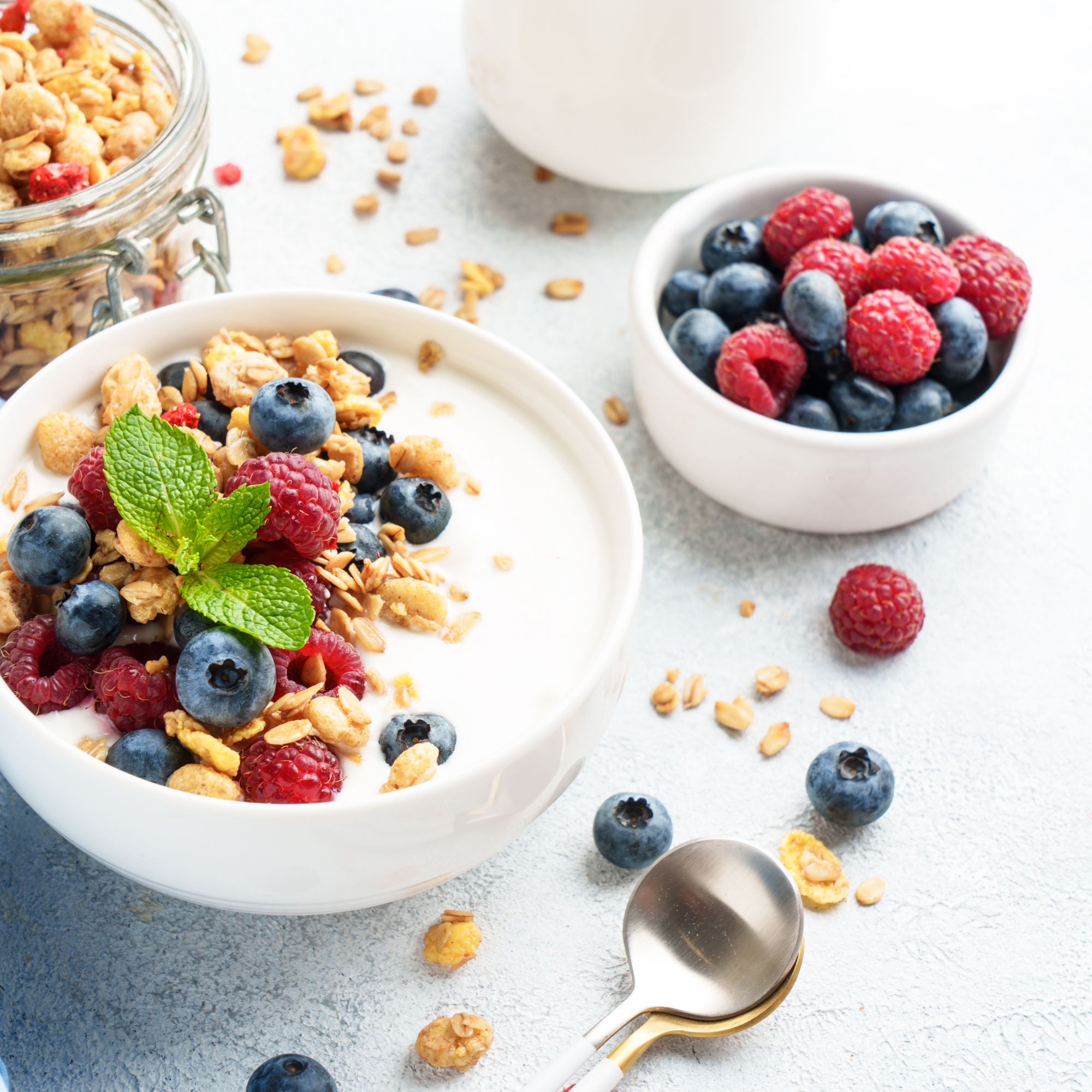
First of all, it has made me aware of how much energy is in certain foods. I love breakfast and I have a granola bowl almost every day. Depending on what I put in there, my breakfast sometimes had about 800 calories! That’s about half of my current daily calorie target! So, do I still have my granola bowl? Yes, I do. But I am more aware of what I put into it. Does it have to be granola every day? Do I have to add nut butter and cacao nibs every day? No. So now I decide which of the more calorie-dense foods I want to include that day and leave out the rest. That works - I still have a breakfast I like, but with considerably fewer calories.
Flexibility
As I already said, planning dinners in our family is difficult, and having a separate meal plan for myself just wouldn’t work. Using the app allows me to eat the same meals as my family while adjusting my plate. I can choose smaller portions, skip a specific side dish, or use a little less fat when we cook. Don’t get me wrong, dietary fat is a really important part of a healthy diet. Unfortunately, it also contains a lot of calories. It’s simply about using a little less, leaving more of my calorie budget for other foods. It also means less grease to clean up before doing the dishes!
No ‘All-or-nothing’
With a strict meal plan, missing one day can easily feel like failure and make it difficult to start again. I don’t know about you, but I don’t do well with restricting myself. If I’m not supposed to eat something, I want it all the more. Tracking doesn’t restrict what you can eat at all. And even if you forget to track, you can simply start again the next day. That’s what happened to me last week: I was sick and didn’t feel like tracking, so I just started again when I felt better.
An adaptive calorie target
Another thing that’s really useful is that the app adapts to you. In the beginning you have to answer some questions. For example, how fast you want to lose weight. Based on these answers it comes up with a plan for you. For me it set a target of 1,700 calories, aiming for a daily deficit of 200-300 calories. I didn’t want the deficit to be too aggressive to be able to stick to it. That corresponds to an estimated weight loss of about 0,29 kg/ 0.6 lbs per week. That is conservative, but for me the better option. But that totally depends on how fast you want to lose weight.
And every week there is a check-in. It takes into account how fast you’re losing weight and the calories you logged that week. If necessary, the app adjusts the daily calorie target.
Weight trend
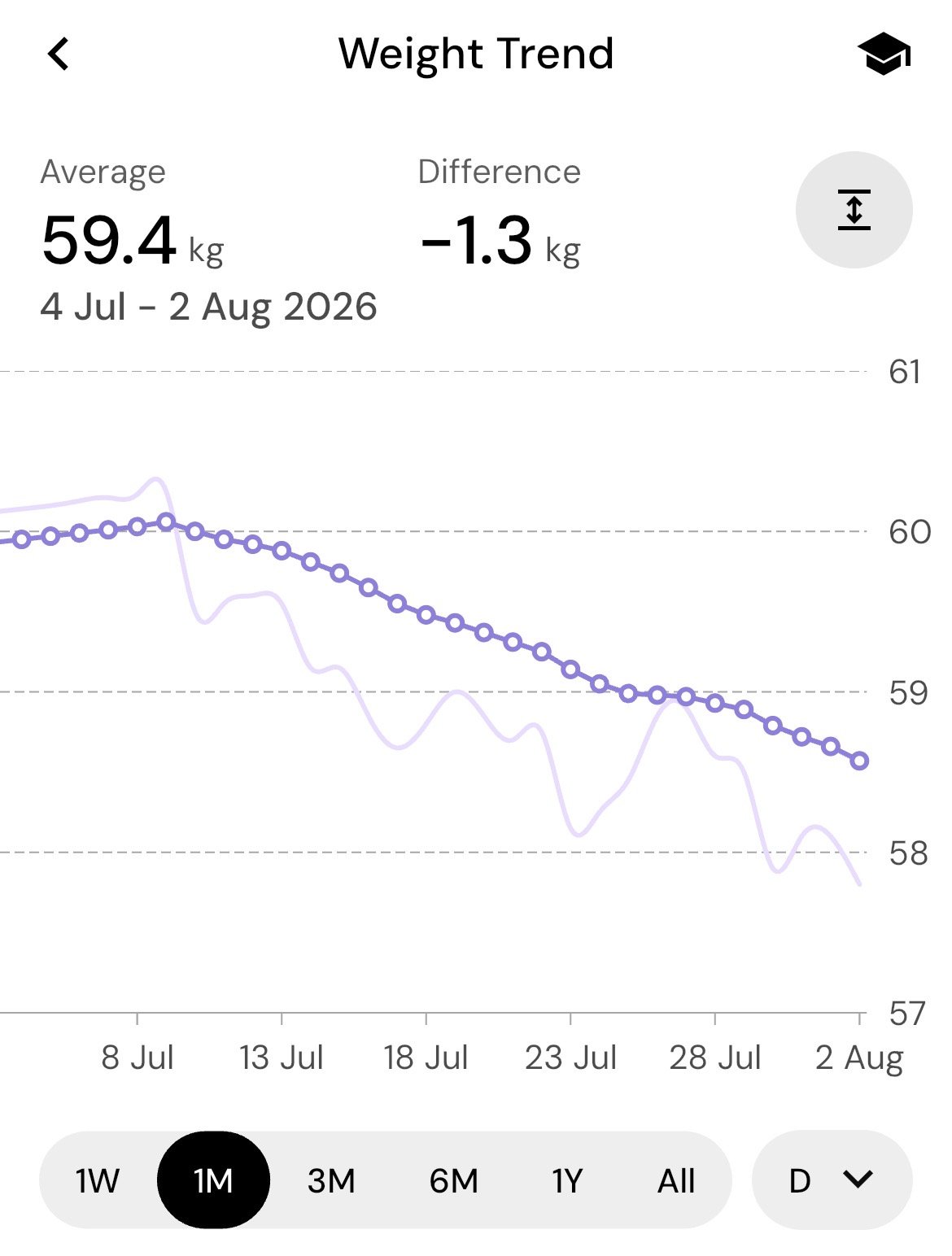
One thing I didn’t understand in the beginning was the weight trend. If you have a smart scale, you can connect it to the app. Then you see how your actual weight changes. The weight trend is a smoothed estimate calculated by the app. I didn’t get what that was supposed to tell me. Until I did. I was down almost 4 lbs after just two weeks, much faster than the trend curve. And then my weight went up again. The real weight loss seems to not be linear, it fluctuates a lot depending on water retention, digestion and other factors. So the trend curve gives you a more realistic picture how your weight loss will be over time. We’ll see how accurate it is.
So far I am really happy that I found this approach to weight loss. It doesn’t restrict me in what I eat, I can still take part in the normal family dinners and I am also flexible while eating out. I have been working with the app for three weeks now and I’m down 4 lbs, which is still way ahead of the trend line - so I’m not reading too much into it yet. We’ll see what happens over the next few weeks. I’ll keep you posted.
